
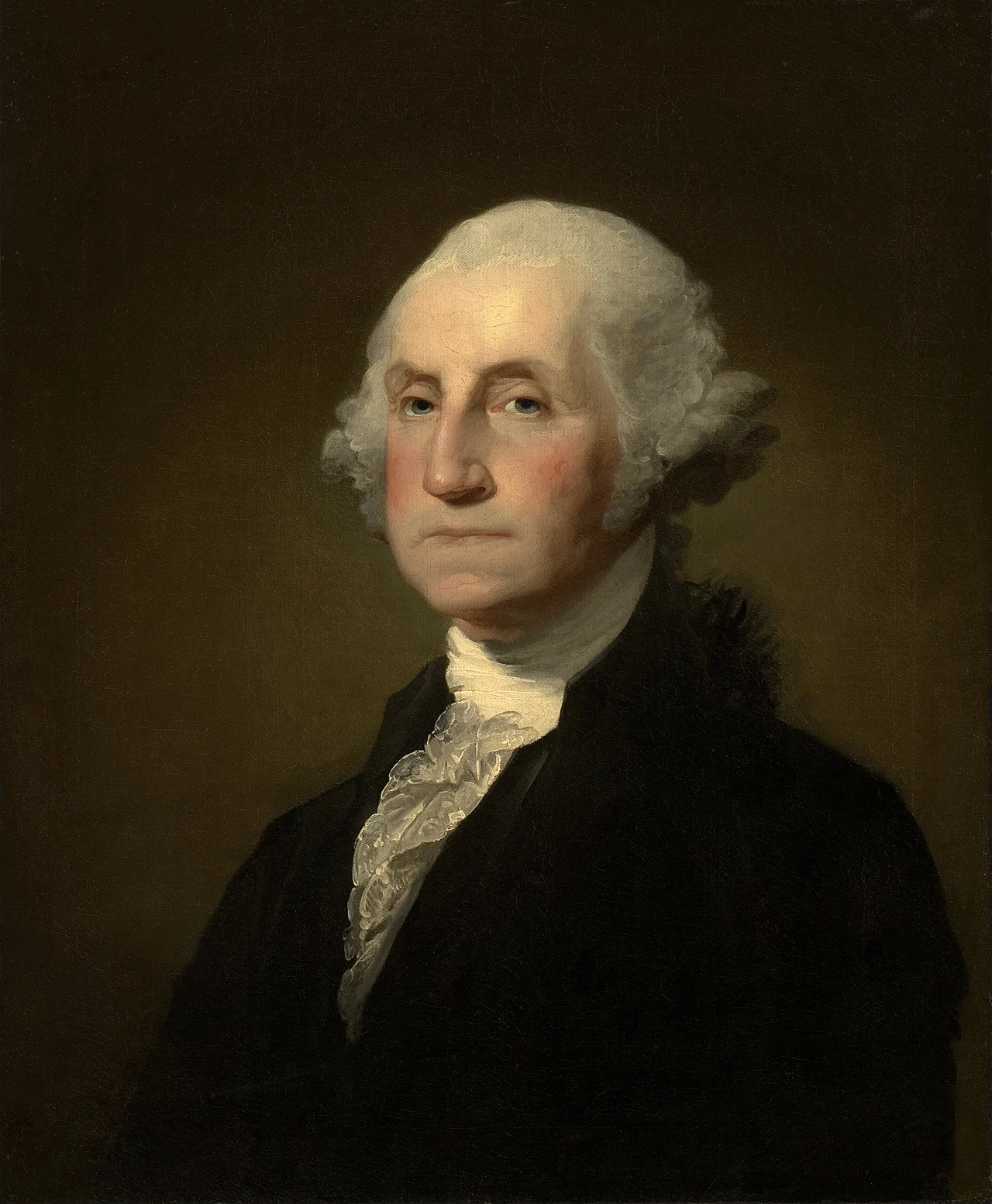
Examining the Legacy, Controversy, and Enduring Impact of America’s First President on Distilling
Introduction: Washington’s Historical Significance and Distilling Legacy
George Washington is renowned as the first President of the United States, a founding father, and a military leader whose influence shaped the birth of a nation. Yet, beyond his political and military achievements, Washington left an indelible mark on American industry—most notably, the distilling of spirits. In the years following his presidency, Washington developed one of the largest and most successful distilleries in early America, cementing his legacy not only as a statesman but also as a pioneer in American distilling. His remarkable contributions to the craft earned him recognition and a rightful place in the Distillers Hall of Fame.
Washington’s Contributions to American Distilling
After his retirement from public service, Washington turned his attention to agriculture and business at Mount Vernon. In 1797, he established a commercial distillery that quickly rose to prominence. By 1799, it was producing nearly 11,000 gallons of whiskey annually, making it among the largest distilleries in the United States at the time. Washington’s commitment to quality and innovation set high standards for American distillers, and his operations provided employment and economic stability for many in the region.
Washington’s distillery was a model of efficiency and scale, utilizing advanced methods for the era. He recognized the economic potential in distilling surplus grain and diversified his products, including rye whiskey, apple brandy, and peach brandy. His business acumen and willingness to embrace new techniques influenced generations of American distillers and helped establish a tradition that endures to this day.
The Bourbon Rebellion: Context and Washington’s Involvement
Despite his positive influence on the industry, Washington’s relationship with American distillers was not without controversy. In the early 1790s, the federal government imposed a tax on distilled spirits to help pay off war debts—a policy that sparked fierce opposition among frontier distillers, particularly in western Pennsylvania. This unrest culminated in the Whiskey Rebellion of 1794, often misnamed the “Bourbon Rebellion,” as it was predominantly whiskey producers who protested.
As President, Washington took decisive action to suppress the rebellion, personally leading troops to restore order. While his intent was to uphold the rule of law and the fledgling nation’s stability, many small-scale distillers viewed his response as heavy-handed. The suppression of the rebellion left a lasting impression on the industry, fueling debate about the balance between government authority and individual enterprise.
How the Bourbon Rebellion Nearly Affected His Hall of Fame Induction
Washington’s leadership during the rebellion nearly cost him a place in the Distillers Hall of Fame. Some members of the distilling community believed that his enforcement of the spirits tax and the suppression of dissent were at odds with the values of innovation and independence celebrated by distillers. Critics argued that his actions set a troubling precedent for government intervention in the industry.
However, upon closer examination, Washington’s intent was to secure the nation’s financial future and preserve unity, rather than to undermine the industry he would later champion. His subsequent investment in and promotion of distilling demonstrated a genuine appreciation for the craft and its role in American society. Over time, the distilling community reconciled these events with Washington’s broader contributions, recognizing that his legacy far outweighed the controversy.
Washington’s Enduring Impact on Distilling
George Washington’s distillery at Mount Vernon became a blueprint for American enterprise, combining agricultural production with industrial innovation. His success inspired others to pursue distilling as a viable business, paving the way for the growth of the industry throughout the 19th century and beyond. Today, Mount Vernon’s reconstructed distillery stands as a testament to Washington’s entrepreneurial spirit and the enduring influence of his methods.
Washington’s story teaches us that leadership is complex, and that even the greatest figures encounter controversy. His willingness to evolve from enforcer of a divisive policy to a leader in the very industry he once regulated speaks to his adaptability and vision. The American distilling tradition owes much to his foresight, integrity, and commitment to excellence.
Conclusion: Justification for Hall of Fame Inclusion
Despite the controversy surrounding his role in the Bourbon (Whiskey) Rebellion, George Washington’s pioneering efforts as a distiller and his profound influence on the industry are undeniable. His innovations set standards for quality and scale, and his legacy continues to inspire modern distillers. The decision to induct Washington into the Distillers Hall of Fame acknowledges not only his historical significance but also his enduring contributions to the craft. In honoring Washington, the Hall of Fame recognizes the complex, sometimes contradictory nature of progress—and celebrates a leader whose vision helped shape the spirit of a nation.
Leave a Reply